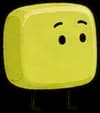
The village festival wants a tea stall, and there is only one candidate. Mutjo prepares for two days straight. He checks the bowls, repairs the kettle handle, folds the cloths, and writes the menu in a hand so neat it looks printed. Sir Tetsu offers to guard the cash box. The mushrooms offer commentary. The Matji prepare too: flags are made, a queue system is designed, ranks are assigned, insisted upon, and immediately forgotten.
The flags are small strips of cloth in six different greens. They hang from a cord beside the stall. Gutji and the other newcomer inspect the knots. Katjo inspects the spacing. Dotjo tests the cord by leaning against its post. Yutju chooses a shaded corner beneath the table. Itji and the others practise directing customers with tilts, bounces, and the occasional determined block. Nobody can hear the instructions, but everyone seems to understand them eventually.
Festival morning is chaos of the very best kind. Lanterns swing above the square. Music arrives from three directions and agrees with none of them. A dragon appears at the end of the lane. It is probably a costume. Probably. A child follows it with a paper fan. A grandmother follows the child with a basket of cakes. The tea queue wraps around the fountain, crosses the square, and returns along the bakery wall.
Crowd control is handled by six persons barely three centimetres tall, and handled badly, and nobody minds in the least. The queue becomes a party. The party becomes the festival. A man holding four bowls is directed into the wrong line and decides he has discovered a dance. The Matji bounce to the music. Customers copy them. Soon the entire queue moves in a gentle, crooked rhythm, advancing whenever Mutjo calls the next order.
Mutjo works without looking hurried. He warms, sifts, pours, and whisks. The stall smells of fresh green tea and festival smoke. Sir Tetsu carries empty bowls back from the tables. A local baker passes out small honey cakes from the next stall. The mushrooms gossip from a basket beneath the sign, reporting that the dragon has eaten no one and that the sugar is behaving.
The flags come loose at noon. Gutji leans against the left post. The other newcomer braces the right. Katjo checks the cord. Mutjo ties the centre knot again. The six Matji hold their positions until the cloth hangs straight. A gust arrives. The flags lift and settle, six greens flickering above the queue. People applaud. The Matji return to crowd control as if applause were simply another weather condition.
By sundown the stall is dry except for one measured serving. The last customer is the knight, a regular now, who arrives with his helmet tucked under one arm and a festival ribbon around his wrist. He waits beside the counter while Mutjo rinses the final bowl. The square begins to quiet around them. Music folds itself away. The dragon removes its head and becomes an exhausted villager. Sir Tetsu sets his helmet beneath the lanterns and watches the water come to temperature.
Mutjo whisks the last bowl for Sir Tetsu as the lanterns come down. The local baker counts the cake cloths while the musicians stack their drums. Around the fountain, damp circles show where the waiting bowls stood. The knight drinks, then helps Mutjo check the empty tins and fold the tea cloth. Tea steam thins above the cooling kettle. The final flag goes into Mutjo’s apron pocket. When the last lantern dims, he lifts the kettle for the walk home and Sir Tetsu falls in beside him. The Matji remain for one moment in the empty square. Six tiny green forms do their quiet little bounce, one after another, until the rhythm becomes shared. Home, as the family says in its one word, is where the foam stands up properly.